What Should a Professional Business Website Include to Generate Leads and Sales?
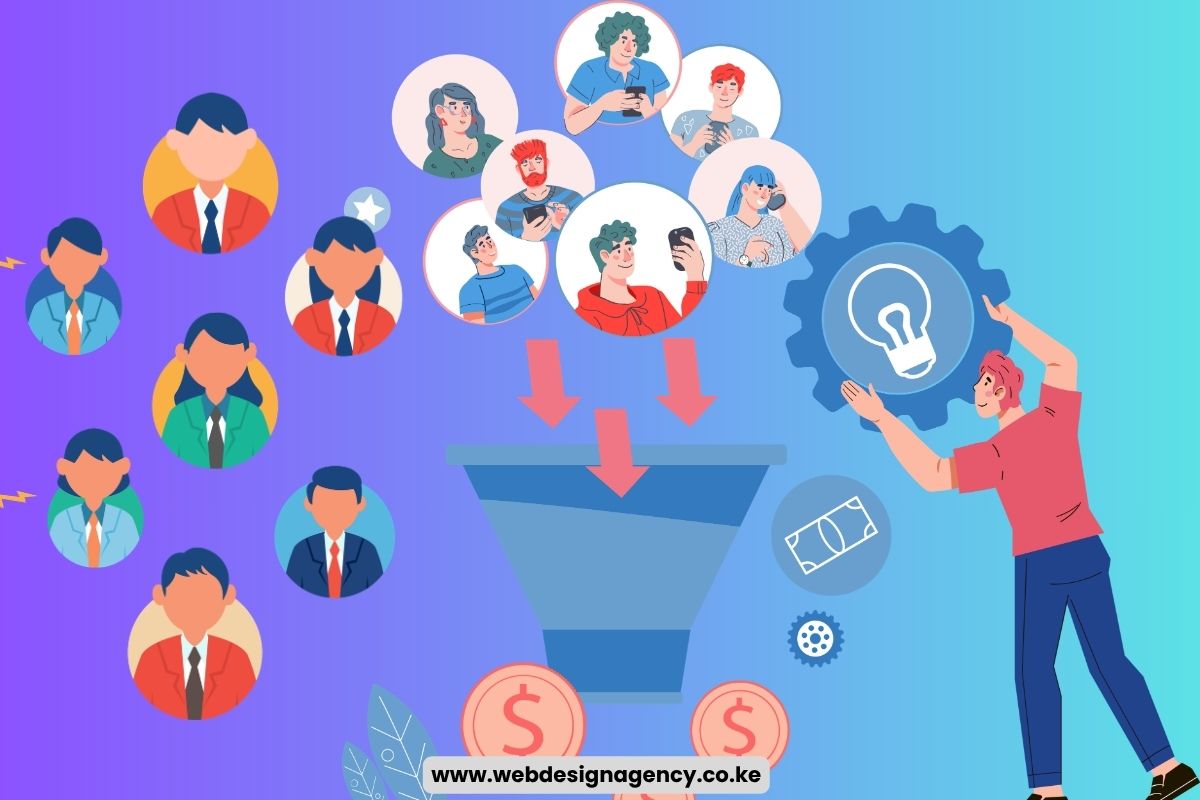
A website should do more than simply display information about your business. Instead, it should guide visitors toward meaningful actions such as making an enquiry, requesting a quotation, booking a service, making a purchase, or contacting your team. Therefore, a professional business website should combine attractive design, useful content, clear navigation, strong calls to action, and features that make it easy for visitors to become customers.
Moreover, businesses should consider how their websites support marketing and sales goals. A well-planned website can work alongside SEO, social media, email marketing, paid advertising, and other digital marketing activities. Consequently, investing in the right website structure can help businesses attract qualified visitors and convert them into leads and sales.
Essential Elements of a Professional Business Website
A successful business website should do more than provide information. It should build trust, communicate your value, make it easy for customers to contact you, and guide visitors toward taking action., they include:
- Clear and Professional Homepage – Introduces your business, services, key benefits, and main call to action.
- Clear Calls to Action – Guides visitors toward actions such as requesting a quote, calling, booking, buying, or contacting you on WhatsApp.
- Service or Product Pages – Provides detailed information about your services or products, including benefits, features, images, and relevant CTAs.
- Lead Generation Forms – Allows visitors to submit details such as their name, phone number, email, and service requirements.
- WhatsApp and Contact Options – Makes it easy for customers to reach your business through WhatsApp, phone, email, contact forms, and social media.
- Customer Reviews and Testimonials – Builds trust by showing positive experiences from previous customers and demonstrating the quality of your products or services.
- Mobile-Friendly Design – Ensures the website works properly on smartphones, tablets, and desktop computers, making it easier for visitors to browse and take action.
How to Make Your Website Generate More Leads and Sales
Having the right features is important; however, how you arrange them also affects conversions. Therefore, guide visitors through a simple journey that moves them from discovering your business to becoming customers.
| Stage | What Your Website Should Do |
|---|---|
| 1. Attract Visitors | Use SEO, social media, advertising, and useful content to bring the right audience to your website. |
| 2. Explain Your Offer | Clearly describe your products, services, benefits, and value proposition. |
| 3. Build Trust | Use testimonials, reviews, case studies, certifications, and professional branding. |
| 4. Answer Questions | Provide FAQs, pricing information, product details, and other information that addresses customer concerns. |
| 5. Provide a Clear CTA | Encourage visitors to call, request a quote, book, shop, or contact you on WhatsApp. |
| 6. Capture the Lead or Sale | Use simple forms, checkout pages, booking systems, or contact options to complete the conversion. |
Additionally, test different headlines, calls to action, forms, layouts, and offers to discover what works best for your audience. Small improvements can gradually increase the number of visitors who become leads and customers.
Additional Features That Can Help Generate More Leads and Sales
Beyond the essential website elements, several additional features can improve customer trust, engagement, and conversions. Therefore, consider adding the following features based on your business type, target audience, and marketing goals.
- Strong Value Proposition – Clearly explain what makes your business different and why customers should choose your products or services.
- Case Studies and Portfolio – Showcase previous projects, successful results, or completed work to demonstrate your experience and build credibility.
- Frequently Asked Questions (FAQs) – Answer common customer questions about pricing, services, delivery, payments, returns, and other concerns.
- Special Offers and Promotions – Highlight discounts, packages, seasonal offers, free consultations, or other incentives that encourage visitors to take action.
- Live Chat and Quick Communication – Give visitors an easy way to ask questions and receive assistance while considering your products or services.
- Local SEO and Business Information – Include your location, service areas, business hours, and other relevant information to help local customers find and contact you.
- Conversion Tracking – Track actions such as form submissions, WhatsApp clicks, phone calls, bookings, and purchases to understand which marketing efforts generate results.
- Privacy Policy and Terms – Clearly explain how customer information is handled and the terms that apply when visitors use your website.
These features can complement the core elements of a business website and, when properly implemented, create a smoother journey from attracting visitors to generating leads and completing sales.
Common Mistakes That Can Reduce Leads and Sales
Even a well-designed website can lose potential customers when visitors encounter avoidable problems. Therefore, review your website regularly and look out for these common issues:
- Unclear messaging: Visitors may leave if they cannot quickly understand what your business offers.
- Too many calls to action: Multiple competing CTAs can confuse visitors instead of guiding them toward one clear action.
- Complicated navigation: A confusing menu can make it difficult for visitors to find important information.
- Slow loading speeds: Long loading times can frustrate visitors and increase the chances of them leaving.
- Poor mobile design: A website that does not work well on phones can lose a significant number of potential customers.
- Weak product descriptions: Limited information may leave customers unsure about the benefits or value of what you offer.
- Missing contact information: Visitors should be able to find your phone number, email, WhatsApp, or contact form easily.
- No customer reviews: Without testimonials or reviews, new visitors may have less confidence in your business.
- Complicated enquiry forms: Forms that request too much information can discourage visitors from submitting their details.
- Outdated information: Old prices, services, contact details, or business information can reduce customer trust.
- Poor-quality images: Blurry or irrelevant images can make your business appear less professional.
- Broken links: Broken pages and buttons can create a poor user experience and prevent visitors from completing important actions.
Furthermore, review your website from a customer’s perspective. Ask yourself whether a first-time visitor can quickly understand your offer, trust your business, find the information they need, and easily contact you or complete a purchase.
Build a Website That Converts
A professional business website should do more than provide information about your company. Instead, it should attract the right visitors, establish trust, communicate your value, and make it easy for potential customers to take action. Therefore, businesses should prioritize responsive design, strong content, SEO, clear calls to action, lead forms, trust signals, fast performance, analytics, security, and ongoing maintenance. If you want to turn your website into a stronger marketing and sales tool, working with a professional web design agency can help you plan and develop a website around your business goals, target customers, and conversion objectives.