
Why Every Business in Kenya Needs a Professional Website in 2026
What Happens When Businesses Ignore Professional Web Development
In today’s digital-first economy, ignoring web development is no longer a neutral decision—it actively limits business growth. As competition intensifies and customer behavior shifts online, businesses without a professional website for businesses in Kenya face compounding disadvantages that affect visibility, trust, and long-term scalability. What may appear as a cost-saving decision in the short term often translates into lost opportunities, weaker market positioning, and higher marketing expenses over time.
1. Reduced Visibility and Missed Opportunities
To start with, the most immediate impact is reduced visibility. Without a website, businesses miss out on search engine traffic, local search discovery, and organic customer inquiries. Consequently, potential clients who are actively searching for products or services end up engaging competitors who already have strong online presence.
Over time, this results in:
- Lost organic traffic from Google searches
- Reduced brand exposure in competitive markets
- Fewer inbound leads and customer inquiries
- Dependence on limited offline referrals
In essence, no website means limited discoverability in a market that increasingly relies on online search.
2. Lower Customer Trust and Credibility
Furthermore, trust plays a central role in modern buying decisions. Customers often verify a business online before making contact or purchase decisions. When a business lacks a professional website, it may appear less established, less transparent, or even unreliable.
As a result:
- Customers may hesitate to engage
- Competitors with websites gain credibility advantage
- Brand authority is weakened in the market
- Conversion rates drop significantly
A professional website for businesses in Kenya acts as a trust anchor, and without it, businesses struggle to build confidence with potential clients.
3. Higher Marketing Costs and Lower ROI
In addition to credibility issues, businesses without websites tend to rely heavily on paid advertising and short-term marketing tactics. While these methods can generate traffic, they are not sustainable without a conversion-optimized website.
This leads to:
- Increased spending on ads with limited returns
- Lack of organic traffic growth through SEO
- No centralized platform for converting leads
- Inefficient marketing performance tracking
Over time, customer acquisition becomes more expensive and less predictable, reducing overall return on investment.
4. Limited Business Growth and Scalability
Finally, the absence of a professional website restricts long-term scalability. As businesses expand, they require systems that support automation, customer management, and digital operations. Without a website, growth becomes fragmented and operationally inefficient.
This results in:
- Difficulty expanding into new markets
- Limited ability to scale services or products online
- Dependence on manual processes for customer handling
- Reduced competitiveness in digital-driven industries
Ultimately, businesses without a strong digital foundation struggle to grow sustainably in an increasingly online economy.
FAQs About Professional Website for Businesses in Kenya
1. What is a professional website for businesses in Kenya?
A professional website for businesses in Kenya is a strategically developed digital platform designed to represent a business online while supporting visibility, credibility, and customer acquisition. Unlike basic web pages, it integrates user experience, SEO structure, mobile responsiveness, and conversion systems to ensure it actively contributes to business growth rather than simply providing information.
2. Why does every business in Kenya need a professional website?
Every business needs a website because customer behavior has shifted significantly toward online research and verification. Before engaging a business, customers search for credibility signals, compare alternatives, and evaluate professionalism. A professional website ensures businesses remain visible, accessible, and competitive in a digital-first marketplace where absence often equals invisibility.
3. How does a professional website help increase sales?
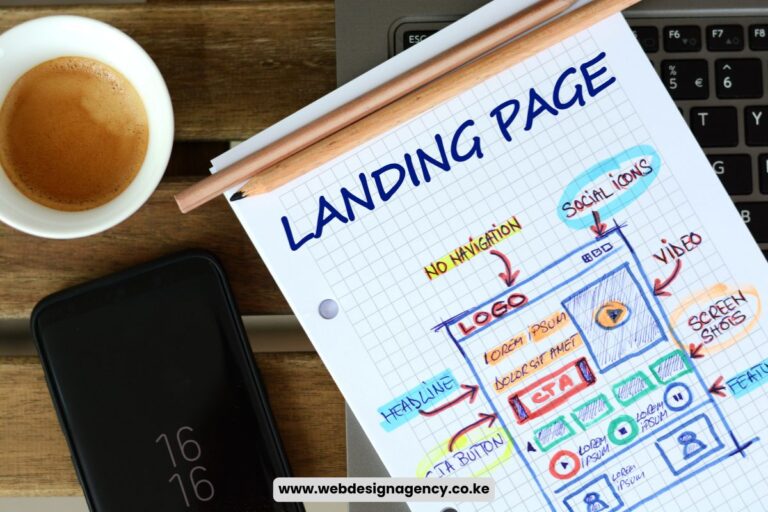
A professional website increases sales by turning passive visitors into active customers through structured conversion systems. This includes clear messaging, strategic call-to-actions, optimized landing pages, and guided user journeys. As a result, businesses can generate more inquiries, bookings, and purchases without increasing traffic volume.
4. Can small businesses benefit from having a professional website?
Yes, small businesses benefit even more because a website levels the playing field. It allows them to compete with larger organizations by increasing visibility, building trust, and reaching wider audiences. Additionally, it reduces dependency on physical location and enables 24/7 customer access.
5. How does SEO relate to a professional website?
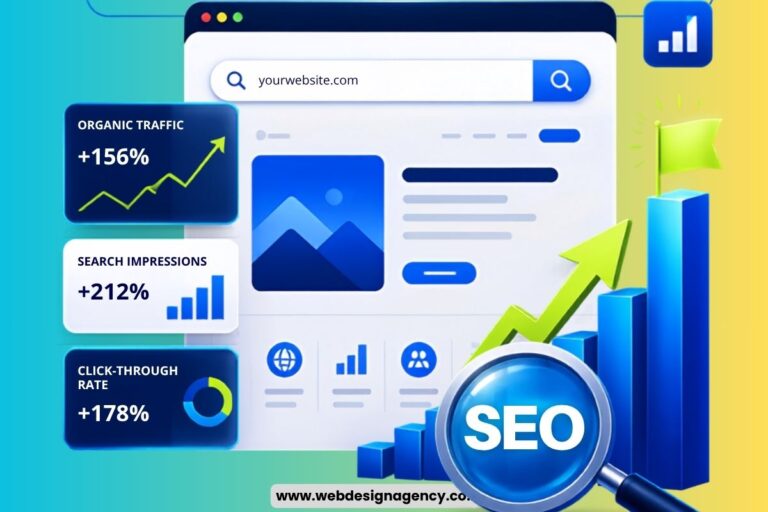
SEO is the foundation of online visibility. A professionally built website is structured to support keyword targeting, fast loading speeds, proper indexing, and content hierarchy. This helps businesses rank higher on Google, attract consistent organic traffic, and reduce reliance on paid advertising over time.
6. Is a website better than social media for business growth?
Social media is useful for engagement, but it is not sufficient for long-term growth. A website provides ownership, authority, and stability. Unlike social platforms, a professional website for businesses in Kenya acts as a central digital asset that supports SEO, conversions, branding, and marketing campaigns in a controlled environment.
7. How much does it cost to build a professional website in Kenya?
The cost depends on design complexity, functionality, number of pages, and required integrations. However, businesses are encouraged to focus on long-term value rather than upfront pricing. A well-built website generates ongoing returns through leads, sales, and improved visibility, making it a strategic investment rather than an expense.
8. How long does it take to develop a professional website?
Development timelines typically range from 2 to 8 weeks depending on project scope. Simple websites take less time, while advanced platforms such as e-commerce or custom systems require more planning, design, and testing to ensure performance, scalability, and reliability.
9. What features should a professional business website include?
A high-performing website should include essential business and technical elements such as mobile responsiveness, fast loading speed, SEO optimization, clear navigation, and strong call-to-actions. Additionally, trust-building elements like testimonials, service breakdowns, and contact systems improve engagement and conversion rates.
10. How does a professional website improve business credibility?
A professional website enhances credibility by presenting a structured, modern, and trustworthy digital identity. It reassures customers that the business is legitimate, organized, and active. In many cases, the website becomes the deciding factor between choosing one business over another, especially in competitive markets.
Let Us Build a High-Performance Website That Grows Your Business
Contact Web Design Agency Kenya today to develop a SEO-optimized, conversion-focused professional website for businesses in Kenya designed to increase visibility, strengthen brand credibility, and attract qualified traffic that converts into real customers. We build scalable digital platforms that combine strategic web development, modern UX design, and performance-driven architecture to deliver measurable and sustainable business growth.