Website Redesign Services in Kenya That Transform Outdated Websites
Website redesign services refer to the strategic process of restructuring, modernizing, and optimizing an existing website to improve its performance, user experience, and business outcomes.
Unlike simple visual updates, redesign focuses on rebuilding the website’s foundation to align with current digital standards and business goals.
Definition of Website Redesign in a Business Context
In a business context, website redesign is not about changing how a website looks—it is about improving how it performs.
It involves:
- Enhancing user experience to increase engagement
- Improving navigation to reduce friction
- Optimizing content structure for SEO visibility
- Strengthening conversion pathways to generate leads and sales
- Updating design systems to reflect modern brand identity
A redesigned website becomes a business tool, not just an online presence.
Difference Between Redesign, New Website Development, and Minor Updates
Understanding the distinction is essential when making investment decisions:
Website Redesign
- Works with an existing website
- Improves structure, UX, SEO, and design
- Preserves domain authority and existing traffic
- Focuses on performance optimization
New Website Development
- Built from scratch
- Used when existing systems are broken or outdated
- No reliance on previous structure
- Requires full SEO rebuilding
Minor Updates
- Small cosmetic or content changes
- Does not affect structure or performance
- Limited impact on conversions or SEO
Redesign sits in the strategic middle—it improves performance without losing existing digital value.
When Businesses Actually Need Redesign Services
A business should consider redesign when its website no longer supports growth objectives or user expectations.
Common triggers include:
- Declining website performance over time
- Reduced conversion rates despite stable traffic
- Brand repositioning or expansion
- Poor mobile experience affecting user engagement
- SEO stagnation or declining rankings
At this point, incremental updates are no longer sufficient—structural transformation becomes necessary.
Signs Your Website Needs a Redesign
Identifying the right time for a redesign is critical for preventing long-term revenue loss. Many businesses delay this decision until performance issues become severe.
1. Outdated Visual Design and Branding Inconsistency
If your website looks outdated compared to competitors, it immediately affects trust and perception. Users associate modern design with professionalism, credibility, and reliability.
Key indicators include:
- Old-fashioned layouts and color schemes
- Inconsistent branding across pages
- Poor typography and visual hierarchy
- Lack of modern UI elements
An outdated design signals that the business may not be active or competitive, reducing customer confidence.
2. Poor Mobile Responsiveness and User Experience Issues
With mobile usage dominating internet access in Kenya, a non-responsive website directly limits business reach.
Common UX issues include:
- Content not fitting mobile screens properly
- Difficult navigation on smaller devices
- Buttons and forms not optimized for touch interaction
- Slow or broken mobile layouts
This results in high bounce rates and lost customer opportunities.
3. Low Conversion Rates Despite Traffic
One of the clearest signs of redesign necessity is when traffic exists but conversions remain low.
This usually indicates:
- Weak or unclear calls-to-action
- Confusing user journeys
- Lack of trust signals such as testimonials or reviews
- Poor landing page structure
In this case, the issue is not traffic—it is conversion architecture.
4. Slow Loading Speed and Technical Performance Issues
Website speed is now a direct ranking and conversion factor.
Performance issues often include:
- Heavy, unoptimized images
- Poor hosting infrastructure
- Outdated coding structure
- Excessive plugins or scripts
Slow websites frustrate users and significantly increase abandonment rates.
5. Weak SEO Visibility on Google
If your website is not appearing on search results for relevant keywords, it is likely not optimized for SEO.
Common causes:
- Poor site architecture and structure
- Missing or weak keyword optimization
- Lack of internal linking strategy
- No technical SEO foundation
Without SEO visibility, businesses become dependent on paid ads for traffic, increasing marketing costs.
Why Website Redesign Services in Kenya Are Increasingly Essential
The demand for Website Redesign Services in Kenya continues to rise as businesses adapt to changing customer behavior, growing online competition, and evolving search engine requirements. In 2026, websites are no longer viewed as optional digital assets—they are important business growth platforms that influence visibility, trust, customer acquisition, and sales performance. Companies that fail to modernize their websites often struggle with declining engagement, weak search rankings, and lower conversion rates, especially in highly competitive industries where customers expect seamless digital experiences.
1. Increased Digital Competition
The Kenyan digital marketplace has become significantly more competitive as more businesses establish online presence across nearly every industry. From SMEs and startups to large enterprises, companies are investing heavily in digital platforms to attract customers, generate leads, and expand market reach.
This increased competition means businesses can no longer rely on outdated websites to remain competitive. Customers naturally compare multiple websites before making decisions, and businesses with modern, professional, and conversion-focused websites gain a major advantage.
A redesigned website helps businesses:
- Differentiate themselves from competitors
- Strengthen online brand positioning
- Improve customer perception and trust
- Increase engagement and lead generation opportunities
Without continuous modernization, even established businesses risk appearing outdated and less credible than newer competitors.
2. Mobile-First Consumer Behavior
Mobile internet usage continues to dominate online activity in Kenya, fundamentally changing how users interact with websites. Most customers now browse, compare services, and make purchasing decisions directly from smartphones.
This shift has made mobile responsiveness a critical business requirement rather than a technical feature.
Businesses with outdated websites often experience:
- Poor mobile navigation and readability
- Slow loading speeds on smartphones
- Broken layouts across different screen sizes
- Difficult form submissions and checkout processes
A strategic redesign ensures:
- Mobile-first user experience optimization
- Faster browsing performance across devices
- Seamless interaction and navigation
- Improved customer engagement and retention
As mobile behavior continues to shape online commerce, businesses without mobile-optimized websites risk losing a large percentage of potential customers.
3. Higher Customer Expectations
Customer expectations have evolved significantly over the last few years. Modern users expect websites to be fast, visually professional, easy to navigate, and highly responsive.
Today, website quality directly influences:
- Brand perception
- Customer trust levels
- Purchase confidence
- Engagement decisions
An outdated website creates negative assumptions about the business itself. Users may perceive the company as inactive, unreliable, or technologically behind competitors.
Professional website redesign helps businesses:
- Create strong first impressions
- Build credibility and authority
- Improve user confidence and trust
- Deliver seamless customer experiences
In highly competitive industries, customer perception alone can determine whether a visitor converts or leaves.
4. SEO-Driven Market Growth
Search engines have become one of the most important sources of customer acquisition for businesses in Kenya. Companies that rank highly on Google generate significantly more visibility, traffic, and leads than competitors with poor search presence.
However, many outdated websites struggle with:
- Weak technical SEO structure
- Poor page speed performance
- Unoptimized metadata and content hierarchy
- Lack of mobile optimization
A professional redesign strengthens SEO by improving:
- Website architecture and crawlability
- Internal linking structure
- Page speed and Core Web Vitals performance
- Keyword optimization and content structure
This improves search rankings and increases the ability to attract qualified organic traffic consistently.
How Website Redesign Improves Conversions and Sales
A professional website redesign does not only improve appearance—it directly impacts business revenue by optimizing how users interact with your website. Modern redesign strategies focus heavily on conversion architecture, ensuring that visitors are guided strategically toward inquiries, bookings, purchases, or other business objectives.
By improving user experience, trust, speed, and navigation, businesses create an environment where visitors are more likely to engage and convert.
1. Improved User Journey Flow
One of the primary goals of redesign is simplifying how users move through the website. Poorly structured websites often confuse visitors, causing frustration and abandonment before conversion occurs.
A redesigned website improves user journey flow by:
- Creating clear navigation pathways
- Organizing content logically and strategically
- Reducing unnecessary steps during interaction
- Guiding users naturally toward conversion points
This structured experience keeps users engaged longer and significantly improves conversion probability.
2. Stronger Call-to-Action Strategy
Calls-to-action (CTAs) are critical conversion elements that direct users toward business objectives. Many outdated websites either lack effective CTAs or place them in low-impact areas.
A redesign strengthens CTA strategy through:
- Better placement visibility across pages
- Clear, action-driven messaging
- Consistent conversion pathways throughout the website
- Reduced friction between user intent and action
This leads to increased inquiries, purchases, bookings, and lead submissions.
3. Trust and Credibility Enhancement
Trust is one of the strongest psychological drivers of online conversion. Users are far more likely to engage with businesses that appear credible, professional, and authoritative.
Website redesign improves trust through:
- Modern and professional visual presentation
- Integration of testimonials and customer reviews
- Structured presentation of services and achievements
- Consistent branding across all pages
These elements reassure visitors and reduce hesitation during decision-making.
4. Faster Website Performance
Website speed directly affects both user behavior and search engine rankings. Slow-loading websites frustrate users and increase bounce rates significantly.
Professional redesign improves performance through:
- Optimized coding structure
- Image and asset compression
- Better hosting configuration
- Reduced unnecessary scripts and plugins
Faster websites improve:
- User engagement duration
- Conversion rates
- Mobile browsing experience
- SEO visibility
Speed optimization is now a critical business growth factor.
5. Better SEO Structure
A redesign provides an opportunity to rebuild the website’s SEO foundation strategically.
This includes:
- Improved keyword-focused architecture
- Better heading and metadata structure
- Enhanced crawlability and indexing
- Stronger internal linking systems
As search visibility improves, businesses attract more qualified traffic from Google, increasing lead and sales opportunities organically.
Together, these redesign improvements create a system where traffic is not just attracted—but strategically converted into measurable business results.
5. Key Elements of a High-Performance Website Redesign
A successful website redesign is built on strategic digital foundations that combine branding, user experience, technical performance, SEO, and conversion optimization. Without these core elements, redesign efforts may improve appearance but fail to deliver measurable business impact.
1. Modern UI/UX Design
User interface (UI) and user experience (UX) design determine how users perceive and interact with a website.
Modern UI/UX design focuses on:
- Clean and visually structured layouts
- Intuitive navigation systems
- Clear content hierarchy and readability
- Reduced friction during interaction
This improves user satisfaction, engagement, and conversion efficiency.
2. Mobile-First Architecture
With mobile traffic dominating internet usage in Kenya, websites must be designed primarily for mobile users.
Mobile-first redesign ensures:
- Seamless browsing across smartphones and tablets
- Faster mobile loading performance
- Better touch interaction and accessibility
- Improved mobile SEO rankings
This enhances user experience across all devices and expands business reach.
3. SEO Integration
SEO must be integrated into the redesign process from the beginning rather than added later.
Strategic SEO integration includes:
- Keyword-focused page structure
- Optimized metadata and headings
- Internal linking architecture
- Technical SEO improvements for crawlability and indexing
This increases long-term search visibility and organic traffic growth.
4. Conversion-Focused Layouts
A high-performing website is intentionally designed to drive user action.
Conversion-focused layouts include:
- Strategic CTA placement
- Persuasive landing page structures
- Trust-building content positioning
- Logical user flow from awareness to conversion
This transforms the website into an active sales and lead generation platform.
5. Technical Optimization
Technical performance forms the backbone of a successful redesign.
Optimization includes:
- Website speed improvements
- Security enhancements and SSL implementation
- Scalable infrastructure for future growth
- Clean coding standards and performance monitoring
A technically optimized website performs better, ranks higher, and supports long-term business scalability.
Website Redesign Process Used by Professional Agencies
Professional Website Redesign Services in Kenya follow a structured and strategic process designed to improve not only the visual appearance of a website, but also its performance, conversion capability, SEO visibility, and long-term scalability. A successful redesign is never approached as a simple graphic update. Instead, it is treated as a business transformation project where every stage is aligned with measurable digital growth objectives.
A professional redesign process ensures that the final website is optimized for user experience, search engine performance, brand positioning, and revenue generation.
1. Business Analysis
Every successful redesign begins with a deep understanding of the business itself. Before design or development starts, agencies analyze the company’s goals, customer behavior, industry competition, and current website performance.
This stage focuses on:
- Identifying business growth objectives
- Understanding target audience behavior and expectations
- Evaluating competitor websites and market positioning
- Auditing current website weaknesses and opportunities
- Defining conversion goals and KPIs
Without strategic analysis, redesign decisions become subjective rather than performance-driven. Business analysis ensures the redesign aligns with real commercial outcomes.
2. UX Strategy and Wireframing
Once the business strategy is clear, agencies move into user experience planning and structural mapping. This phase focuses on how users will navigate the website and interact with content.
UX strategy involves:
- Mapping customer journeys from entry to conversion
- Structuring intuitive navigation systems
- Reducing friction points that cause user drop-offs
- Organizing content based on user intent and behavior
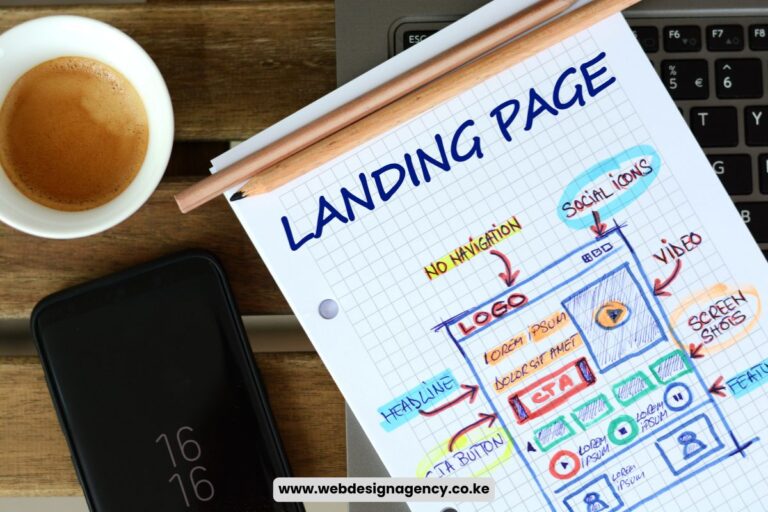
Wireframing is then used to visually plan page structures before full design begins. This creates clarity around layout hierarchy, CTA placement, and content flow.
A strong UX strategy ensures:
- Better engagement rates
- Improved usability across devices
- Higher conversion potential
- Reduced bounce rates
This stage forms the architectural foundation of the redesign.
3. UI Design Development
User Interface (UI) design focuses on the visual experience users encounter when interacting with the website. At this stage, the redesign begins to take shape visually while maintaining alignment with the brand’s identity and business goals.
Professional agencies focus on:
- Consistent branding systems and color psychology
- Typography hierarchy for readability and engagement
- Modern visual layouts aligned with industry standards
- Interactive elements that improve usability and engagement
The goal is not simply to make the website “look good,” but to create a professional digital environment that reinforces trust, credibility, and authority.
Strong UI design directly impacts:
- First impressions
- User confidence
- Brand perception
- Engagement behavior
A professionally designed interface increases the likelihood of users remaining on the website and progressing toward conversion actions.
4. Technical Development
After design approval, the development phase transforms strategy and visuals into a fully functional website system.
Technical development focuses on:
- Building responsive layouts for all devices
- Optimizing speed and Core Web Vitals performance
- Creating scalable and maintainable website architecture
- Implementing SEO-friendly coding structures
- Integrating forms, CRMs, automation tools, and APIs
Professional agencies prioritize clean coding standards and performance optimization to ensure the website functions efficiently under real-world conditions.
This phase also includes:
- Security implementation (SSL, protection systems)
- Mobile responsiveness testing
- Cross-browser compatibility optimization
- CMS integration for easier content management
Technical development determines how stable, secure, and scalable the website will be long term.
5. Testing and Optimization
Before launch, the redesigned website undergoes extensive testing to ensure performance quality, usability, and functionality.
Testing includes:
- Mobile and device responsiveness verification
- Speed and loading performance analysis
- SEO structure and indexing checks
- Form functionality and CTA testing
- Browser compatibility testing
- User experience and navigation validation
Optimization is then performed based on testing results to eliminate technical weaknesses and improve overall performance.
This final stage ensures:
- Faster loading speeds
- Reduced technical errors
- Better user interaction quality
- Improved launch readiness
Professional testing minimizes post-launch issues and ensures the website performs effectively from day one.
Website Redesign vs New Website Development
Many businesses struggle to determine whether they need a website redesign or an entirely new website build. While both approaches aim to improve digital performance, they serve different business situations and strategic objectives.
Understanding the distinction is critical for making cost-effective and performance-driven decisions.
1. Website Redesign
Website redesign focuses on improving and restructuring an existing website while preserving valuable assets such as domain authority, indexed pages, and existing traffic history.
A redesign is best suited for:
- Websites with established traffic and SEO history
- Businesses needing UX and conversion improvements
- Brands requiring modernization without complete rebuilding
- Companies seeking better performance while maintaining current infrastructure
The main advantages of redesign include:
- Preserving existing SEO rankings and authority
- Lower development costs compared to rebuilding
- Faster project timelines
- Improved performance without losing digital assets
A strategic redesign modernizes the website while protecting the value already built over time.
2. New Website Development
New website development involves creating an entirely new digital system from the ground up. This approach is necessary when the existing website can no longer support business growth or technical requirements.
A new build is best for:
- Completely outdated or broken systems
- Major business model or branding changes
- Businesses migrating to new technologies or platforms
- Websites with severe technical limitations
Advantages of new development include:
- Full design and structural flexibility
- Opportunity to rebuild digital strategy entirely
- Better scalability for complex systems
- Removal of outdated infrastructure limitations
However, rebuilding from scratch often requires rebuilding SEO authority and traffic performance as well.
3. Which Option Is Better for Business Growth?
In many cases, redesign is more cost-efficient because it preserves:
- Existing SEO rankings
- Indexed pages and backlinks
- Domain authority
- Brand recognition and digital continuity
However, when technical limitations become too severe, a completely new website may be the better long-term investment.
The decision should always be based on:
- Current website condition
- SEO performance status
- Scalability requirements
- Business growth objectives
A professional agency evaluates these factors strategically before recommending the best approach.
How to Choose the Best Website Redesign Agency in Kenya
The success of any redesign project depends heavily on the agency selected. Many businesses make the mistake of focusing only on pricing or visual portfolios without evaluating strategic and technical capability.
A professional redesign agency should function as a growth partner—not simply a design provider.
1. Proven Portfolio With Measurable Results
A strong portfolio should demonstrate more than aesthetics. It should show evidence of:
- Improved conversion performance
- Better user engagement
- Increased search visibility
- Modern UX implementation
Businesses should evaluate live projects rather than screenshots alone.
2. Strong SEO and UX Expertise
Modern redesign projects must integrate SEO and UX from the beginning.
A qualified agency should understand:
- Search intent and keyword architecture
- User behavior psychology
- Conversion optimization strategies
- Technical SEO structure and indexing
Without these capabilities, the redesign may look modern but fail to generate traffic or conversions.
3. Conversion-Focused Design Capability
Professional agencies design with business outcomes in mind.
This includes:
- Strategic CTA placement
- Landing page optimization
- Lead generation systems
- Customer journey mapping
Conversion-focused redesign ensures traffic translates into measurable business results.
4. Technical Development Proficiency
Technical execution determines long-term performance quality.
Businesses should assess:
- Speed optimization capability
- Mobile responsiveness standards
- Security implementation quality
- Scalability and infrastructure planning
Weak technical development creates long-term operational problems regardless of visual quality.
5. Transparent Communication and Workflow Systems
Project transparency is critical for successful execution.
A professional agency should provide:
- Structured timelines and milestones
- Clear revision processes
- Transparent pricing structures
- Consistent progress communication
Strong workflow systems reduce delays and improve project efficiency.
6. Long-Term Support and Optimization Services
A website is not a one-time project. Continuous optimization is necessary to maintain competitiveness.
Reliable agencies provide:
- SEO monitoring and improvements
- Technical maintenance and updates
- Performance optimization
- Scalability support as the business grows
Long-term support ensures the redesign continues delivering business value after launch.
Benefits of Professional Website Redesign Services in Kenya
Investing in professional Website Redesign Services in Kenya delivers measurable business advantages that extend beyond aesthetics. A strategically redesigned website improves performance across marketing, branding, customer engagement, and revenue generation.
1. Increased Conversion Rates and Sales Performance
Conversion-focused redesign improves how users interact with the website, making it easier for them to take action.
This increases:
- Lead generation
- Inquiry submissions
- Purchases and bookings
- Overall revenue performance
2. Improved Google Search Rankings and Visibility
Modern redesign integrates SEO best practices that strengthen search engine performance.
This improves:
- Organic traffic growth
- Keyword rankings
- Search visibility across competitive industries
- Long-term lead generation potential
3. Stronger Brand Authority and Trust
A professionally redesigned website positions the business as credible, modern, and reliable.
This improves:
- Customer trust
- Brand perception
- Engagement quality
- Competitive positioning
4. Enhanced Mobile User Experience
Mobile-first optimization ensures users can interact seamlessly across all devices.
This increases:
- Engagement rates
- Conversion efficiency
- Mobile SEO performance
- Customer satisfaction
5. Higher Return on Digital Marketing Investment
A high-performing website improves the efficiency of all marketing campaigns.
This leads to:
- Better conversion from existing traffic
- Lower customer acquisition costs
- Improved ad performance
- Stronger long-term ROI
A redesigned website transforms digital marketing from traffic generation into revenue generation.
Common Mistakes Businesses Make During Website Redesign
Many redesign projects fail to achieve results because businesses focus on appearance instead of strategy and performance.
1. Prioritizing Visual Design Over Conversion Strategy
A beautiful website without conversion structure fails to generate business results.
Design should always support:
- User behavior flow
- Lead generation
- Customer engagement
- Conversion objectives
2. Ignoring SEO Migration and Structure Preservation
Poor SEO handling during redesign can destroy existing rankings and traffic.
Businesses must preserve:
- Indexed URLs
- Metadata structure
- Internal linking systems
- Existing SEO authority
3. Choosing Low-Cost Providers Instead of Performance Agencies
Cheap redesign services often compromise:
- Technical quality
- SEO capability
- UX structure
- Scalability and security
This results in higher long-term costs due to poor performance.
4. Lack of Clear Business Goals Before Redesign
Without defined objectives, redesign becomes directionless.
Businesses should clarify:
- Conversion goals
- Audience targeting
- SEO priorities
- Brand positioning expectations
5. Weak Content and Messaging Strategy
Even strong design fails when messaging lacks clarity and persuasion.
Content should:
- Address user pain points
- Guide customer decisions logically
- Support SEO structure
- Reinforce brand authority
Avoiding these mistakes ensures website redesign becomes a strategic growth investment rather than a cosmetic project.
FAQs About Website Redesign Services in Kenya
1. What are website redesign services in Kenya?
Website redesign services in Kenya involve improving and restructuring an existing website to enhance its design, user experience, SEO performance, speed, mobile responsiveness, and conversion capability. Unlike minor updates, redesign focuses on transforming an outdated website into a modern digital platform that supports business growth, customer engagement, and online visibility.
2. How do I know if my business needs a website redesign?
A business may need a redesign if its website:
- Looks outdated compared to competitors
- Loads slowly or performs poorly on mobile devices
- Has low conversion rates despite receiving traffic
- Struggles to rank on Google
- Provides a poor user experience or confusing navigation
If your website is no longer supporting lead generation, branding, or customer engagement effectively, redesign becomes necessary.
3. What is the difference between website redesign and building a new website?
Website redesign improves and modernizes an existing website while preserving valuable assets such as domain authority, SEO rankings, and existing content structure. A new website build starts completely from scratch and is usually recommended when the current system is severely outdated, technically broken, or no longer scalable.
In many cases, redesign is more cost-efficient because it improves performance without losing existing digital authority.
4. How do website redesign services in Kenya improve conversions and sales?
A professional redesign improves conversions by optimizing how users interact with the website.
This includes:
- Better user journey structure
- Strategic call-to-action placement
- Faster loading speed
- Mobile-friendly browsing experience
- Improved trust and credibility elements
These improvements make it easier for visitors to take action, increasing inquiries, bookings, purchases, and overall sales performance.
5. Will redesigning my website affect my Google rankings?
If handled professionally, redesign can improve rankings rather than harm them. However, poor redesign practices such as changing URLs without redirects, removing optimized content, or ignoring SEO structure can negatively impact visibility.
Professional website redesign services in Kenya preserve:
- Existing SEO authority
- Indexed URLs and metadata
- Internal linking structure
- Search engine crawlability
This ensures a smooth transition while improving long-term SEO performance.
6. How long does a professional website redesign take?
The timeline depends on project complexity, website size, and required functionality. Most professional redesign projects take between 2 to 8 weeks.
Factors affecting the timeline include:
- Number of pages
- SEO restructuring requirements
- Custom design and development needs
- Content creation and migration
- Third-party integrations and testing
Complex e-commerce or enterprise websites may require additional development time.
7. How much do website redesign services in Kenya cost?
Pricing varies depending on:
- Website complexity
- Design requirements
- SEO integration level
- Custom functionality needed
- Number of pages and features
Businesses should evaluate redesign as a long-term investment rather than focusing only on upfront cost. A professionally redesigned website improves visibility, conversions, and revenue generation over time.
8. Why is mobile optimization important during website redesign?
Most internet users in Kenya access websites through smartphones, making mobile experience critical for engagement and conversions.
Mobile optimization improves:
- User experience across devices
- Loading speed and navigation
- Google mobile rankings
- Customer retention and interaction rates
Without mobile-first optimization, businesses risk losing a large percentage of potential customers.
9. What should businesses look for when choosing website redesign services in Kenya?
Businesses should evaluate agencies based on:
- Proven portfolio and measurable results
- SEO and UX expertise
- Conversion-focused design capability
- Technical development standards
- Transparent communication and workflow systems
- Long-term support and optimization services
The best agencies focus on business performance outcomes—not just visual design.
10. What are the long-term benefits of professional website redesign services in Kenya?
A strategically redesigned website delivers long-term business advantages including:
- Increased conversions and sales
- Improved Google rankings and organic traffic
- Stronger brand credibility and authority
- Better customer engagement and retention
- Higher ROI from digital marketing campaigns
- Improved scalability for future business growth
A professional redesign transforms a website into a sustainable digital growth engine rather than a static online presence.